Luxury Waterfront Property Exteriors America: The 2026 Definitive Architectural Reference
The architectural skin of the American waterfront has undergone a fundamental structural revaluation as of early 2026. Historically, a “luxury” waterfront exterior was defined by the sheer scale of the structure and the opulence of its ornamentation—often at the expense of its environmental longevity. However, the contemporary landscape has shifted toward a paradigm of “resilient aestheticism.” For the sophisticated property owner, the hallmark of luxury is no longer just the panoramic view; it is the precision of a managed exterior envelope that survives the inherent friction of high-salinity, high-UV, and high-humidity environments.
In this hyper-exposed sector, an exterior is viewed as a high-performance protective shield rather than a passive façade. To evaluate the efficacy of luxury waterfront property exteriors america is to investigate a multi-layered operational blueprint. It involves a transition from traditional masonry and timber toward advanced composite systems and marine-grade alloys that are synchronized with the site’s specific micro-ecology. As coastal hubs face unprecedented climatic volatility, the ability to maintain a pristine, “maintenance-minimal” exterior has become the ultimate marker of authoritative property development.
This article serves as a systemic deconstruction of the premium waterfront exterior sector. We will analyze the material logic behind coastal estates, the economic dynamics of specialized protective systems, and the risk landscapes that govern movement at the water’s edge. By treating the exterior as a living, protective asset, we provide the depth required to navigate the complexities of 2026’s high-end coastal real estate market.
Understanding “luxury waterfront property exteriors america”
The term luxury waterfront property exteriors america is frequently diluted by mainstream media to describe superficial “curb appeal” or trendy paint palettes. In a professional editorial context, however, these exteriors represent a sophisticated branch of building science. At this level, the exterior is a generative system that builds a protective micro-ecosystem around the inhabitant. It is the difference between a house that sits by the water and a house that is engineered for the water.
The Paradox of Frictionless Immersion
A critical perspective in waterfront architecture involves the role of “constructive friction.” While the primary goal of the exterior is to remove the friction of the elements—salt spray, gale-force winds, and intense solar radiation—the most authoritative designs intentionally integrate effort where it adds aesthetic value. This refers to the psychological impact of “weathering” materials: natural stones that patina over time or unlacquered brass that darkens, grounding the property in its historical and geographical context. True luxury is the ability to choose how your property ages.
Information Symmetry in Marine Logistics
Authority in coastal construction is increasingly a function of material telemetry. In 2026, sophisticated developers rely on the same salt-spray testing and wind-tunnel data used by aerospace firms. Accessing real-time corrosion rates or localized UV-degradation assessments allows a homeowner to pivot to a “Plan B” (such as automated protective shutter systems) before a storm surge even officially threatens. Planning at this level focuses on the “invisible infrastructure”—the hidden flashing, the marine-grade fasteners, and the moisture-wicking barriers that operate behind the visual finishes.
Deep Contextual Background: The Evolution of Coastal Skins
The trajectory of high-end waterfront exteriors in the U.S. can be mapped through three distinct historical phases, reflecting broader shifts in how we value our relationship with the aquatic edge.
The Era of Defensive Ornamentation (Pre-1950s)
Originally, coastal estates—such as the “cottages” of Newport or the grand mansions of Palm Beach—relied on massive masonry and heavy stone. These were defensive structures designed to withstand the elements through sheer bulk. The “exterior” was a fortress wall, often mimicking European chateaus. While durable, these structures were often thermally inefficient and suffered from internal moisture trapping, leading to long-term structural decay that remained hidden for decades.
The Era of Transparent Modernism (1960s–2010s)
With the rise of high-strength glass and steel, luxury shifted toward transparency. The exterior became a “glass box,” designed to erase the boundary between the interior and the horizon. However, this era introduced a “commodity trap.” The reliance on standard aluminum framing and clear glass led to high energy costs and catastrophic failures during hurricane events, as the “thin skin” of modernism lacked the resilience required for true waterfront survival.
The Era of Resilient Aestheticism (2020s–2026)
We have entered the “Integrated Performance” phase. Following the coastal shifts of the early 2020s, high-net-worth individuals have abandoned “glass for glass’s sake” in favor of biophilic sanctuaries. The dominant trend in 2026 is “Hidden Hardness”—exteriors that look like organic wood and stone but are actually high-performance composites or treated bio-materials. The exterior is now an active participant in the property’s longevity, featuring passive solar shading, integrated green walls, and hurricane-rated “invisible” armor.
Conceptual Frameworks and Mental Models
To construct a waterfront exterior of the highest order, one must employ specific mental models that look beyond the visual timeline of the sale.
1. The “Sacrificial Layer” Framework
This model posits that every exterior has a hierarchy of components. The outermost layer (the paint, the sealer, the cladding) is a sacrificial shield. The authoritative planner asks: “How easily can I replace the shield without damaging the core?” In this framework, a property that requires a full tear-down to fix a leak is an architectural failure. True luxury is modularity.
2. The Thermal Bridge Audit
Waterfront homes face extreme temperature differentials—cool sea breezes versus intense radiant heat from sand or water reflection. This framework treats the exterior as a thermal battery. It prioritizes the elimination of “bridges” where heat escapes or enters, focusing on continuous insulation and high-performance glazing to ensure the “cool” of the interior is never compromised by the “heat” of the view.
3. The Salt-Air Telemetry Ratio
The highest-tier travel and property plans operate on a “Material Invisibility” ratio. This measures the efficacy of the corrosion-protection team. The goal is 100% utility with 0% visible rust. This framework evaluates a plan by its “contingency depth”—the number of pre-vetted, non-corrosive backup materials available for every fastener, hinge, and rail on the property.
Key Categories and Regional Material Logic
The 2026 luxury waterfront market is segmented into several distinct typologies, each requiring a different operational focus and offering distinct strategic trade-offs.
| Category | Primary Focus | Key Materials | Strategic Trade-off |
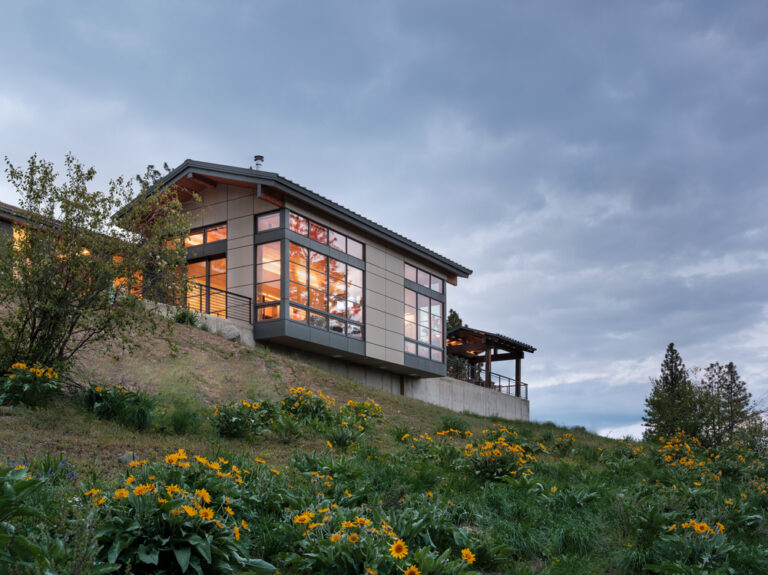
| Pacific Modernism | Raw Textures | Board-Formed Concrete, Zinc | High Durability vs. Visual “Coldness” |
| Gulf Coast Resilient | Hurricane Armor | Impact Glass, Fiber-Cement | High Safety vs. Heavy Visual Profiles |
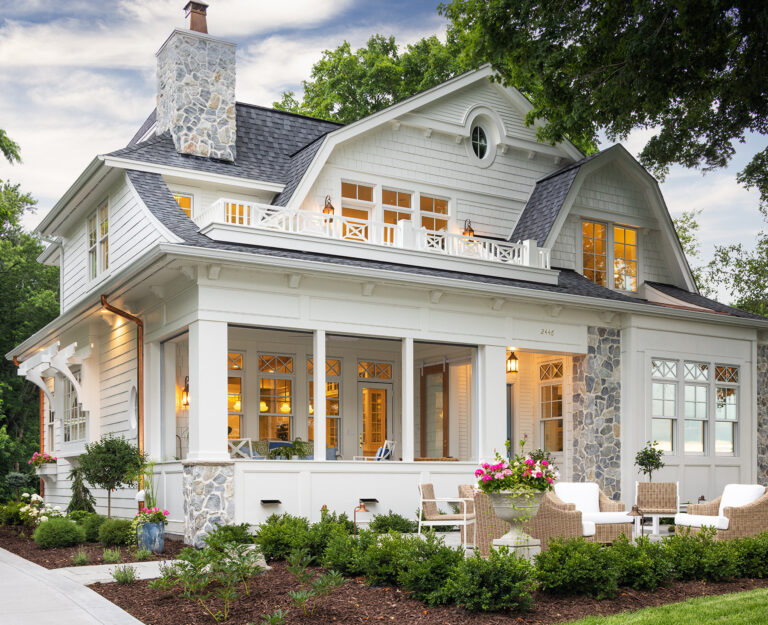
| New England Shingle | Heritage / Patina | Cedar (Treated), Copper | High Maintenance vs. Timeless Value |
| Florida Biophilic | Natural Integration | Ipe Wood, Living Walls | High Sensory Depth vs. Pest/Moisture Risk |
| Modern Lakefront | Transparency | Minimalist Steel, Limestone | Visual Purity vs. Thermal Loss |
Decision Logic: The “Patina vs. Pristine” Dilemma
When designing luxury waterfront property exteriors america, owners must decide between materials that age (patina) and materials that stay the same (pristine). In 2026, the trend leans toward patina. A house that looks “too new” in a 100-year-old coastal environment can feel discordant. However, “controlled patina” requires a higher level of initial engineering to ensure that the “aging” is uniform and doesn’t compromise structural integrity.
Detailed Real-World Scenarios
Scenario 1: The High-Pressure Atlantic Front
A property in the Hamptons requires a cedar-shingle look but faces frequent Nor’easters and salt spray that turns wood black and brittle within two seasons.
-
The Choice: Utilizing a high-performance fiber-cement shingle with a multi-tonal factory finish.
-
The Technical Requirement: Use of stainless-steel 316-grade hidden fasteners to prevent “bleeding” (rust streaks) down the white trim.
-
Failure Mode: Using standard galvanized nails which, though cheaper, will fail within five years in a high-salinity environment.
Scenario 2: The Tropical Moisture Barrier
A Miami Beach estate features a massive full-height glass wall system to capture the sunrise over the Atlantic.
-
The Strategic Move: Incorporating “passive solar” deep overhangs and automated exterior Venetian blinds that track the sun.
-
Second-Order Effect: The blinds not only reduce cooling costs by 40% but also provide an extra layer of protection for the glass during high-wind events.
-
Outcome: The exterior becomes a dynamic system rather than a static wall.
Planning, Cost, and Resource Dynamics
The financial profile of high-end waterfront exteriors is characterized by a “Durability-Plus” model, which decouples the build cost from the “Total Cost of Ownership” (TCO).
Direct vs. Indirect Costs
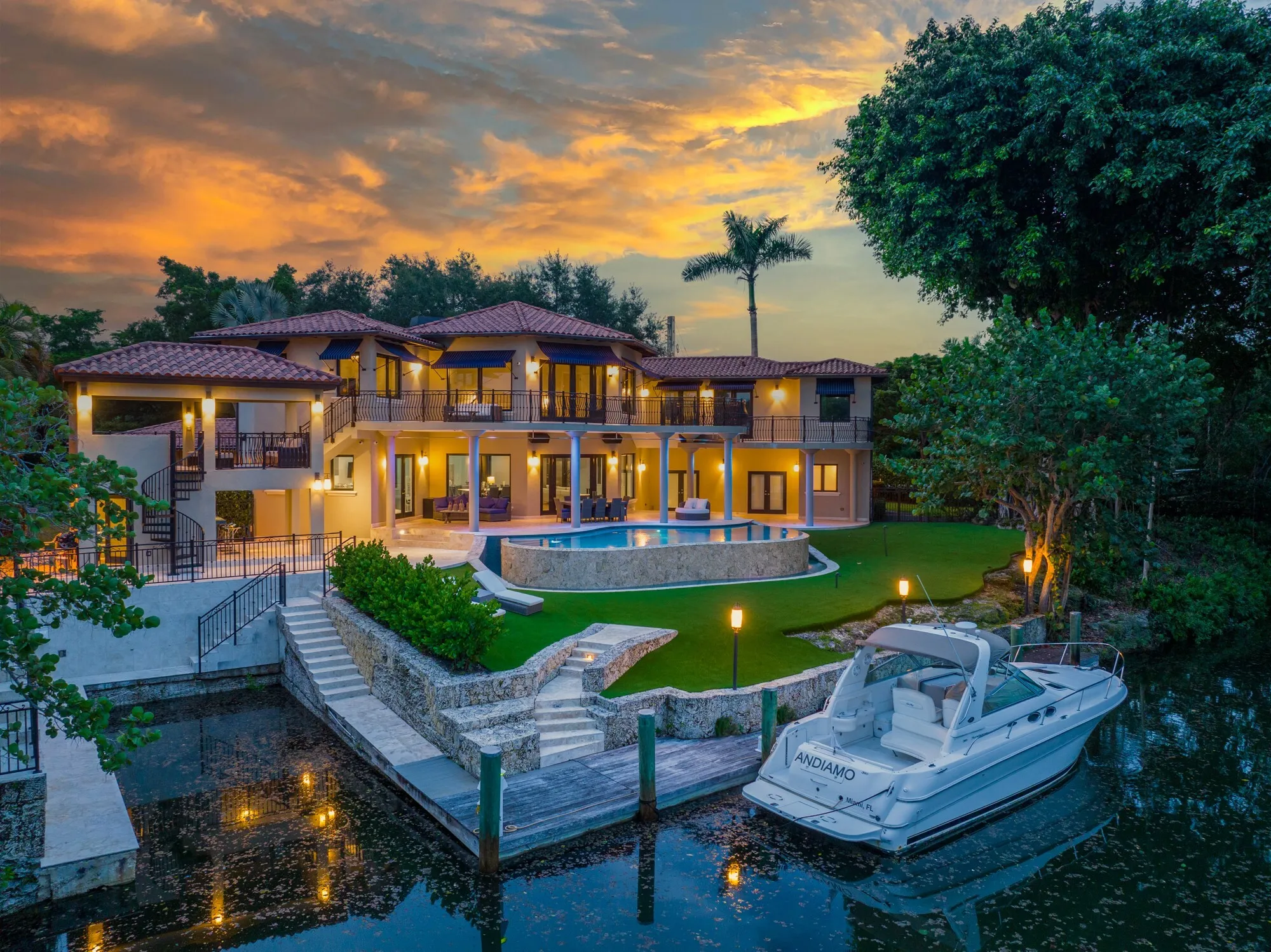
Direct costs are visible: the limestone cladding, the hurricane glass, the infinity-edge pool surround. Indirect costs are the “hidden” drivers of quality. This includes the “Corrosion Audit Fee”—the payment for a specialist to vet every metallurgical choice—and the “logistical redundancy” fund for sourcing rare materials in a disrupted global supply chain.
2026 Range-Based Planning Table (USD)
| Component | Standard Luxury (per sq ft) | Ultra-Bespoke (per sq ft) | Cost Driver |
| Cladding / Siding | $40 – $80 | $150 – $300+ | Material Rarity (e.g., Rare Stone) |
| Glazing (Hurricane) | $120 – $250 | $500 – $1,000+ | Framing Profile / UV Coatings |
| Decking / Outdoor | $30 – $60 | $120 – $200 | Wood Species / Fastener System |
| Lighting / Tech | $15 – $30 | $60 – $150 | Marine-Grade Finish / Automation |
Tools, Strategies, and Support Systems
-
Marine-Grade Material Databases: Using specialized libraries to verify that every metal alloy used on the exterior has a Pitting Resistance Equivalent Number (PREN) above 32.
-
Predictive Corrosion Intelligence: IoT sensors embedded in the façade that monitor salt accumulation and moisture levels, alerting maintenance teams before visible damage occurs.
-
Hydrophobic Coating Applications: Utilizing nanotechnology “self-cleaning” glass and stone sealers that repel salt and water, reducing cleaning cycles by 70%.
-
UAV (Drone) Inspections: Employing high-resolution thermal and zoom drones for quarterly audits of “unreachable” exterior points like roof flashing and chimney caps.
-
Passive Bio-Filtration: Using integrated vertical gardens on the exterior to filter salt air and provide a natural cooling buffer for the home’s envelope.
-
Hurricane Armor Telemetry: Smart shutters that automatically deploy based on wind-speed and barometric pressure drops, even when the owner is off-site.
Risk Landscape and Taxonomy of Failure
The primary risks in waterfront exteriors are often compounding. A minor leak in the “sacrificial” flashing can lead to catastrophic mold in the structural core if the insulation system isn’t “breathable.”
1. The “Galvanic Corrosion” Failure
This occurs when two dissimilar metals (e.g., aluminum and stainless steel) come into contact in the presence of salt water. The result is rapid, invisible decay of the “less noble” metal. An authoritative plan eliminates all direct contact between dissimilar metals through the use of nylon washers or specialized gaskets.
2. The Over-Reliance on “Standard” Sealants
Many high-end builds fail because they use standard UV-rated sealants that are not “Marine Rated.” In a waterfront environment, the combination of salt and intense reflection from the water degrades standard polymers 3x faster than in inland locations.
Governance, Maintenance, and Long-Term Adaptation
A prestigious waterfront exterior requires a “Stewardship Model” rather than a “Maintenance Model.” It is about managing the asset’s health over a 50-year horizon.
The “Evergreen” Audit
Every five years, an authoritative exterior should undergo a “Core-to-Skin” audit. This involves testing the moisture content of the internal framing and reviewing the brand’s “relevance” to current climate resilience trends. This ensures the property remains a “Tier 1” asset.
Layered Maintenance Checklist
-
Monthly: High-pressure rinse of all metal components to remove salt crust.
-
Quarterly: Lubrication of all sliding door tracks and pivot points with marine-grade grease.
-
Annually: Inspection of all sealant joints and re-application of hydrophobic glass coatings.
-
Five-Yearly: Deep-cleaning and re-sealing of all stone and timber cladding.
Measurement, Tracking, and Evaluation
Evaluation of architectural exteriors requires a blend of quantitative performance metrics and qualitative signals.
Leading vs. Lagging Indicators
-
Leading Indicator: The “Corrosion Latency”—the amount of time between a salt-event and its removal. Properties with a latency under 48 hours have a 30% longer exterior lifespan.
-
Lagging Indicator: The “Resale Premium”—how much more the property fetches compared to “standard” builds in the same zip code.
-
Qualitative Signal: The “Identity Delta”—does the home look “weathered” (luxury) or “damaged” (neglect)?
Common Misconceptions and Oversimplifications
-
Myth: “Stainless steel doesn’t rust.” Correction: 304-grade stainless will rust within weeks by the ocean; only 316-grade or duplex steel provides true marine resistance.
-
Myth: “Thicker glass is always better.” Correction: The frame and the installation method are more important for hurricane resistance than the thickness of the glass itself.
-
Myth: “Wood is a bad choice for the water.” Correction: Specific species like Ipe or Accoya wood thrive in moisture, provided they are allowed to “breathe” through a rainscreen system.
-
Myth: “Solar panels ruin the look.” Correction: In 2026, “Integrated Photovoltaics” (BIPV) look like standard slate or metal roofing, providing power without compromising the aesthetic.
Ethical and Contextual Considerations
As of 2026, the luxury waterfront owner must also consider their “Shoreline Sovereignty.” Large-scale seawalls can often disrupt local sand migration, destroying neighboring beaches. An authoritative exterior plan includes “Living Shorelines”—using natural rock and vegetation to manage erosion, which not only looks more integrated but provides superior long-term protection compared to rigid concrete walls.
Conclusion
The pursuit of luxury waterfront property exteriors america is a testament to the modern desire for meaningful, frictionless connection with the horizon. In 2026, an exterior is no longer a break from life; it is an intensive, curated extension of the property’s value. Creating these “high-performance skins” requires more than just a list of materials; it requires an architectural mindset, a global network of specialized trades, and a profound understanding of marine science. As coastal markets become more discerning, the “authority” of a home will increasingly be judged by its adaptability, its narrative depth, and its ability to protect the inhabitant from the very water they came to admire.