Best Ranch Style Exteriors United States: A 2026 Definitive Guide
The American residential landscape is inextricably linked to the horizontal silhouette of the Ranch house. Emerging as a radical departure from the verticality of Victorian and Colonial precedents, the Ranch style—or the “Rambler”—redefined the domestic ideal in the mid-20th century. It was an architectural manifestation of postwar optimism, prioritizing the democratization of space and a fluid connection with the terrain. As we move through 2026, the Ranch style is experiencing a profound structural and aesthetic revaluation, transitioning from a mass-market commodity to a high-design asset.
In the contemporary United States, the exterior of a Ranch home serves as a primary indicator of architectural intent. Unlike more rigid styles, the Ranch is exceptionally malleable, capable of absorbing Mid-Century Modernism, California rusticism, and ultra-modern minimalism within its sprawling footprint. To understand the current state of these structures, one must look beyond the superficial “brick box” stereotype and analyze the systemic integration of low-pitched rooflines, expansive fenestration, and the use of site-specific materials.
This article provides a systemic deconstruction of the Ranch ecosystem. We will examine the architectural logic that governs the most successful iterations, the economic dynamics of contemporary Ranch restoration, and the risk landscapes inherent in maintaining single-story assets in a volatile climate. By treating the Ranch exterior as a living architectural language rather than a static historical artifact, we provide the clarity required to navigate the nuances of America’s most enduring domestic form.
Understanding “best ranch style exteriors united states”
The phrase best ranch style exteriors united states is frequently utilized as a consumer-facing catchphrase for “curb appeal,” yet its editorial depth refers to a specific adherence to horizontal continuity and indoor-outdoor enfranchisement. In 2026, the “best” designs are not defined by opulence, but by their “Integrity-to-Terrain” ratio. A design loses its status when the hallmark elements—the low-slung roof, the wide eaves, and the ribbon windows—are compromised by vertical additions or inappropriate ornamentation.
The Misunderstanding of Simplicity
A common risk in contemporary development is the “Ranch-Lite” phenomenon. This involves taking a standard suburban footprint and applying a “skin” of mixed materials without understanding the underlying geometry. True authoritative design requires an understanding that a Ranch home is built around the “Planar Nucleus”—where the hearth and the patio remain the literal and metaphorical center of the home—integrated with the “Temporal Flow” required for modern remote work and aging-in-place.
Oversimplification of the One-Story Footprint
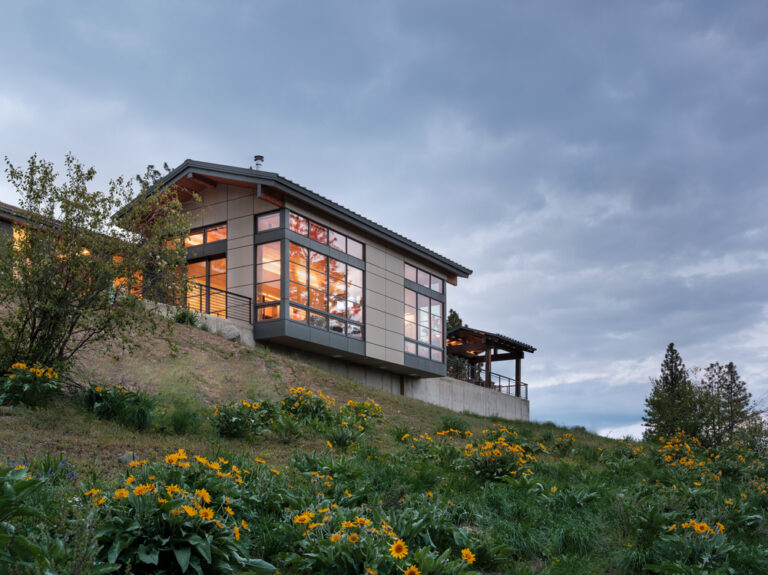
Many enthusiasts conflate “Ranch” strictly with “one-story.” While the single-level living is the style’s most iconic vessel, the architectural philosophy extends to “Split-Levels” and “Raised Ranches” that utilize the slope of the land. To categorize the “best” designs, we must evaluate how the exterior handles the transition between the built environment and the natural landscape. If the exterior cladding is indifferent to the local soil color or vegetation, it is a failure of the Ranch ideal of “Geographical Integration.”
Deep Contextual Background: The Evolution of the Rambler
The Ranch style did not emerge in a vacuum; it was a socio-economic response to the expansion of the American West. By the 1930s, architects like Cliff May in California began to argue that the European-style cottage was ill-suited for the vast, sun-drenched expanses of the United States. They looked instead to the Spanish Colonial “Rancho”—low, long, and centered around a protected courtyard.
By 1945, the style found its spiritual home in the burgeoning suburbs. The G.I. Bill and the rise of the automobile demanded homes that could be built quickly but offered the “California Dream” of leisure. This period established the iconic vocabulary: asymmetrical facades, attached garages, and the “Picture Window” that framed the backyard as a private sanctuary.
The mid-20th century saw the style bifurcate into the “Developer Ranch”—mass-produced tracts like Levittown—and the “Custom Ranch”—high-art expressions by icons like Frank Lloyd Wright or Joseph Eichler. However, the late 2010s sparked a massive revival that has culminated in the 2026 “Soft-Industrial” Ranch era. Today, we are seeing a “Sovereign Restoration” movement where homeowners use 3D laser scanning to ensure that every replacement material is chemically and aesthetically compatible with the original postwar substrate.
Conceptual Frameworks and Mental Models
To manage or design a high-tier Ranch asset, one must employ mental models that differ from standard multi-story development.
1. The “Horizontal Datum” Framework
In a Ranch home, the dominant line is always horizontal. Every exterior element—the fascia, the window headers, the siding seams—should reinforce this datum. This framework rejects “Visual Noise” such as vertical shutters or tall, narrow windows. If a design uses a steep gabled roof that sounds a vertical “note,” it has failed the mental model of horizontal continuity.
2. The “Indoor-Outdoor Enfranchisement” Model
Ranch homes pioneered the idea of the “Backyard as Living Room.” The exterior design must treat the patio and the lawn as contiguous square footage. The model dictates that the transition between materials (e.g., from interior hardwood to exterior slate) should be as seamless as possible. In 2026, this has adapted to include “Biophilic Buffers”—integrated planters and glass walls that move to blur the line between nature and shelter.
3. The “Zonal Modularity” Model
Because Ranch homes often sprawl, they are prone to “Aesthetic Fragmentation.” The zonal modularity model ensures that the garage, the living wing, and the sleeping wing are visually unified by a consistent material palette. It prevents the “Frankenstein Effect” common in homes that have been renovated piecewise over decades.
Key Categories and Variations
| Category | Primary Focus | Trade-off | Success Signal |
| Mid-Century Modern (MCM) | Glass / Post-and-Beam | High energy costs vs. Iconic aesthetic | Floor-to-ceiling glass; clerestory windows. |
| California Ranch | Courtyard / Wood Siding | Maintenance intensity vs. Warmth | Cedar cladding; U-shaped floor plan. |
| Colonial Ranch | Siding / Shutter details | “Visual Clutter” vs. Tradition | Clapboard siding; symmetrical window placements. |
| Raised Ranch | Elevation / Basement access | Verticality vs. Square footage | Integrated garage in the lower level. |
| Contemporary Ranch (2026) | Steel / High-Performance | High upfront cost vs. Sustainability | Standing seam metal roofs; hidden solar arrays. |
Decision Logic: The “Privacy vs. Transparency” Dilemma
Owners must decide where on the spectrum they sit. A “Transparency” advocate will install massive glass walls facing the street, necessitating a “Living Fence” (hedge) for privacy. A “Privacy” advocate will use a “Solid-Front, Glass-Back” model. The best ranch style exteriors united states are those that achieve a “Controlled Reveal”—using privacy screens or batten-style siding to hide the interior while still allowing natural light to penetrate.
Detailed Real-World Scenarios
Scenario 1: The “Brick-Painting” Controversy
An owner buys a 1960s red-brick Ranch in a neighborhood where the “Modern Farmhouse” trend has influenced people to paint brick white.
-
The Conflict: Painting brick is non-reversible and can trap moisture (spalling), but white paint offers immediate modern appeal.
-
Decision Point: Does the owner use chemical lime-wash (breathable) or acrylic paint?
-
Outcome: The owner chooses “Limewash” and adds dark charcoal trim to ground the home. This preserves the masonry’s integrity while achieving the 2026 aesthetic.
Scenario 2: The 2026 Coastal Infill
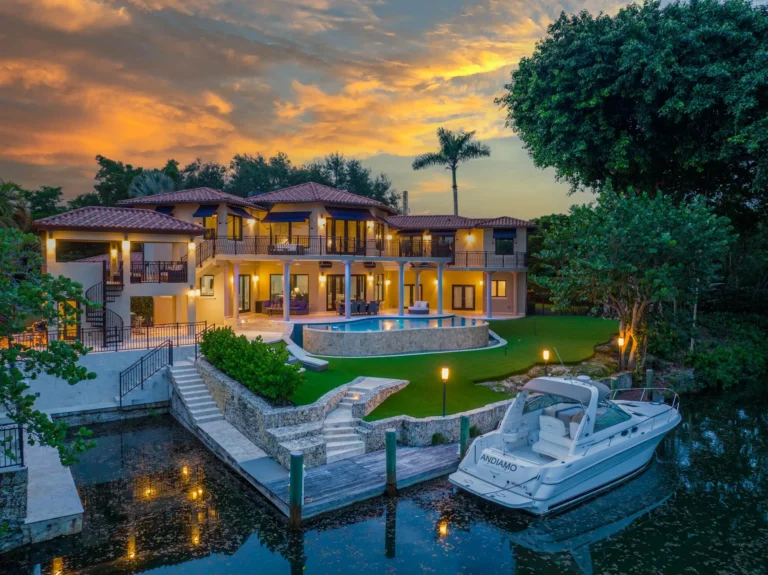
A developer wants to build a Ranch in a flood-prone zone in Florida.
-
Constraint: Local codes require the home to be elevated 4 feet.
-
The Solution: Instead of a visible concrete “stilt” look, the designer uses a “Battered Stone Skirt” and a series of terraced planters to hide the elevation.
-
Failure Mode: A standard elevated house destroys the horizontal lines essential to the style.
Planning, Cost, and 2026 Resource Dynamics
Ranch construction is characterized by a “Roof-to-Wall” ratio that is significantly higher than two-story homes. You are paying for a larger footprint of foundation and roofing.
2026 Cost Dynamics (USD)
| Item | Mid-Range Build (per sq ft) | Luxury / Custom (per sq ft) | Cost Driver |
| Roofing (Metal/Slate) | $12 – $18 | $45 – $65 | Wide eaves; high pitch complexity. |
| Windows (Energy Star +) | $900 / unit | $4,500 / unit | Custom glass walls; thermal breaks. |
| Siding (Cedar/Steel) | $15 – $25 | $55 – $85 | Real wood vs. composite; hidden fasteners. |
| Landscape / Hardscape | $20,000 | $150,000+ | Integrated pools; boulder retaining walls. |
-
Opportunity Cost: The 12-month delay often seen in custom Ranch builds (due to land-clearing and wide-footprint excavation) can represent a 6-9% loss in “Realized Equity” compared to standard vertical homes.
Tools, Strategies, and Support Systems
-
3D Laser Scanning: Used to create perfect digital twins of original MCM rafter tails for CNC replication.
-
Thermal Telemetry: Identifying “Cold Bridges” in original post-and-beam Ranches to install “Aerogel” insulation without thickening the walls.
-
The “Cliff May” Archives: Utilizing original blueprint databases to match mid-century proportions with modern setbacks.
-
Low-VOC Silicate Paints: Traditional mineral finishes that bond with masonry rather than “sealing” it in plastic.
-
Historical Tax Credits: Navigating the 20% federal credit for income-producing historic postwar properties.
-
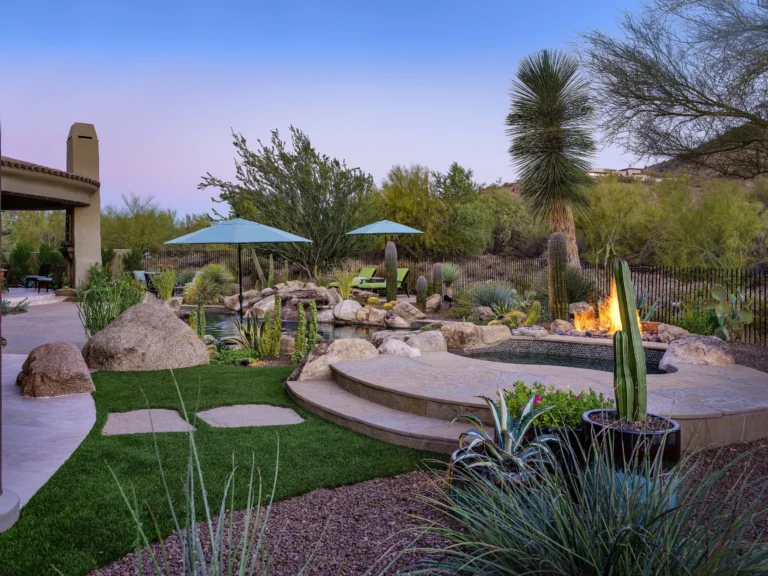
Xeric Landscaping Guilds: Partnering with regional specialists to ensure the “Desert Ranch” look doesn’t require excessive water.
Risk Landscape and Taxonomy of Failure
The primary risk in Ranch ownership is “Footprint Obsolescence.”
1. The “Energy-Sieve” Failure
Original Mid-Century Ranches often have R-0 insulation in the walls. In 2026, the cost of heating and cooling a sprawling, uninsulated footprint can make the asset a liability. The failure mode is attempting to “over-glaze” a home without upgrading the thermal envelope.
2. The “Vertical Encroachment”
Attempting to add a 2nd-story “Pop-Top” that breaks the “Horizontal Datum.” Many neighborhoods lose their character and value when the low-slung silhouette is destroyed by vertical additions.
3. The “Foundation Creep”
Because Ranch homes have a massive perimeter, they are more susceptible to foundation shifts and plumbing “Slab Leaks.” If an owner doesn’t monitor soil moisture around the entire perimeter, they risk catastrophic structural cracking.
Governance, Maintenance, and Long-Term Adaptation
A Ranch home requires a “Perimeter Lifecycle” rather than a “Vertical Cycle.”
Layered Maintenance Checklist
-
Quarterly: Inspect “Soffit Vents” for pest intrusion. Because the roof is low, it is an easy entry point for rodents and birds.
-
Annual: Audit the “Grade-to-Siding” transition. Ranch siding often sits closer to the ground than in two-story homes, leading to splash-back rot.
-
Decadal: Re-seal the expansive driveway and patio to prevent “Heaving” that can transmit force to the house slab.
Monitoring Triggers
-
Trigger: “Hairline Cracks” in the drywall above picture windows.
-
Action: Immediate structural survey; sprawling footprints are the first to show seismic or soil-settlement stress.
Measurement, Tracking, and Evaluation
How do we quantify a “Top” design?
-
Leading Indicators: Adherence to “Ribbon Window” standards; Presence of original “Eames-era” hardware.
-
Lagging Indicators: Appreciation in value vs. local Colonial revivals; Thermal performance in “Wide-Eave” shadow zones during summer.
-
Quantitative Signal: The “Connectivity Ratio”—the percentage of rooms that have a direct, operable exit to the exterior.
Common Misconceptions and Oversimplifications
-
Myth: “Ranch houses are all cheap.” Correction: High-end custom Ranches by architects like Cliff May or A. Quincy Jones are some of the most valuable mid-century assets in the United States.
-
Myth: “You can’t have privacy with large windows.” Correction: The “top” designs use “Clerestory” windows—placed high on the wall—to let in light and sky views while blocking the street view.
-
Myth: “Attached garages are ugly.” Correction: In a true Ranch, the garage is a “Structural wing”—it is integrated into the horizontal flow rather than being a “tacked-on” box.
Ethical, Practical, or Contextual Considerations
As of 2026, the Ranch style must address the “Footprint Ethics” of land use. Sprawling homes require more land per inhabitant, which clashes with the push for urban density. The best ranch style exteriors united states are those that utilize “In-fill” lots and ADUs (Accessory Dwelling Units) to increase density without destroying the horizontal aesthetic. Furthermore, the use of “Permeable Hardscaping” is essential to ensure that the massive footprint doesn’t contribute to urban runoff and flash flooding.
Conclusion
The pursuit of the best ranch style exteriors united states represents more than a nostalgic yearning for the 1950s; it is a sophisticated embrace of the “Horizontal Ideal.” As we look toward the future of American architecture, the Ranch philosophy offers a blueprint for homes that are accessible, socially connected, and materially honest. The mastery of this style requires an understanding that a home is not just a shelter, but a bridge between the inhabitant and the horizon. In the end, the most enduring designs are those that allow the eye to travel across the landscape without interruption, celebrating the vastness of the American experience.